Clean Printing Technology: An Inevitable Trend in Modern Packaging Production
As businesses continue to place greater emphasis on sustainable growth, clean printing technology has become a forward-thinking solution—one that reduces environmental impact without compromising exceptional print quality.
In the carton packaging industry in particular, clean printing is no longer just an advantage; it’s a necessity, required to meet international standards for safety, environmental responsibility, and consumer well-being.
1. What is Clean Printing Technology?
Clean printing technology refers to a printing process that uses:
Inks free from VOCs (Volatile Organic Compounds)
Recycled, environmentally friendly materials
Optimized equipment and production processes to reduce emissions and save energy
This approach helps minimize air pollution, eliminates harmful odors, and ensures safety for both users and production workers.
2. Outstanding Benefits of Clean Printing Technology
2.1. Health Safety – VOC-Free
VOCs are a major cause of indoor air pollution, leading to irritation of the eyes, skin, and respiratory system, and can even affect the nervous system.
Clean printing technology uses VOC-free inks, which means:
No toxic emissions
No unpleasant odors
Completely safe for food, agricultural products, and FMCG industries
2.2. Reduced Environmental Impact
Lower CO₂ emissions
Reduced chemical waste
Environmentally friendly throughout the entire product lifecycle
2.3. Enhanced Print Quality
Despite being VOC-free, the inks still deliver:
Stable, well-adhered colors
Sharp, smudge-free images
High consistency across production batches
2.4. Compliance with International Standards
Businesses adopting clean printing technology can more easily meet:
FSSC, ISO 9001:2015
Export standards for Japan, South Korea, Europe, and the United States
3. Application of Clean Printing Technology at Quang Minh Packaging
As a pioneer in the carton packaging industry, Quang Minh Packaging JSC applies VOC-free clean printing technology across its entire production line. According to its brochure, the company commits to:
3.1. Using VOC-Free Clean Inks
Safe for food packaging
Reduces indoor air pollution in factories
Protects the health of employees and consumers
3.2. Combining with Green Materials
100% recycled kraft paper
Adhesives made from natural starch
→ Creating a fully eco-friendly packaging ecosystem
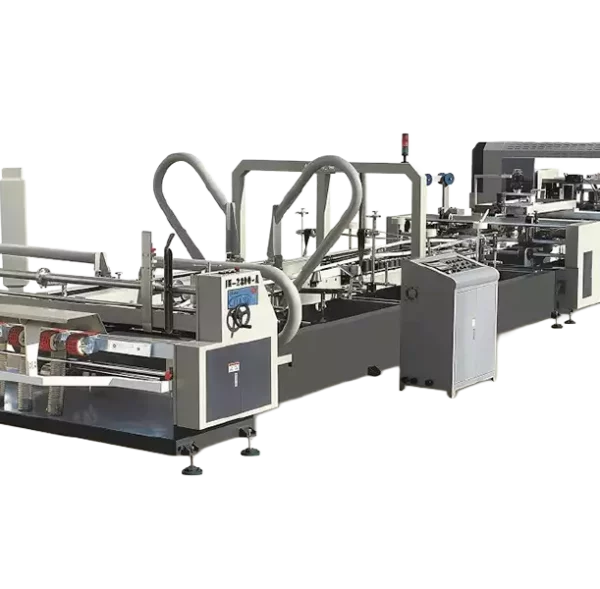
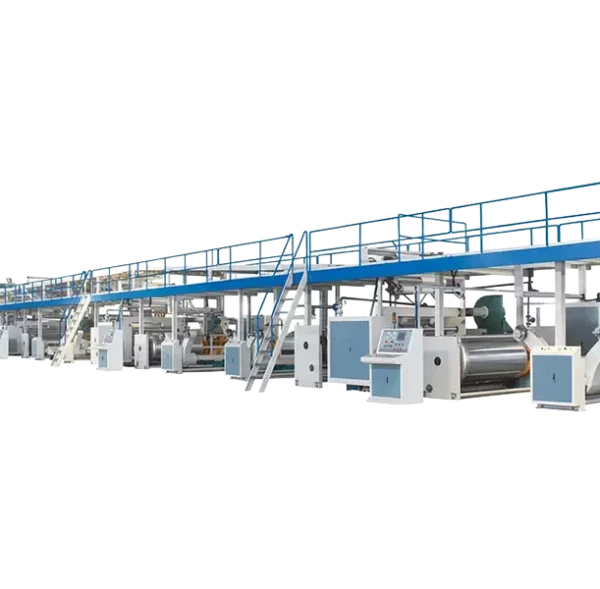
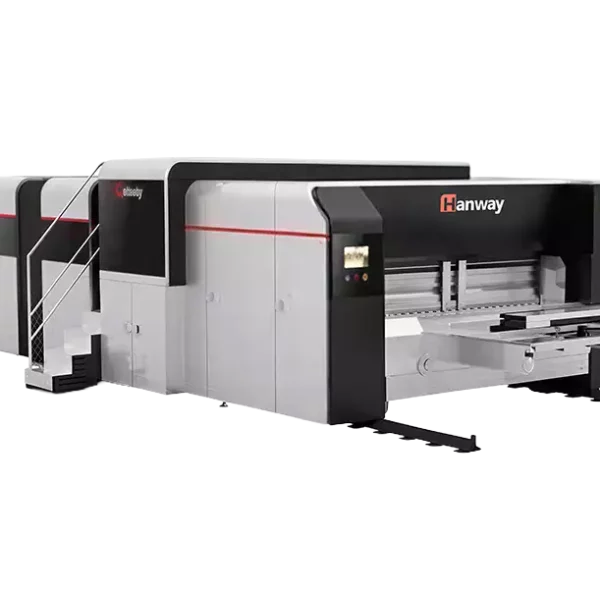
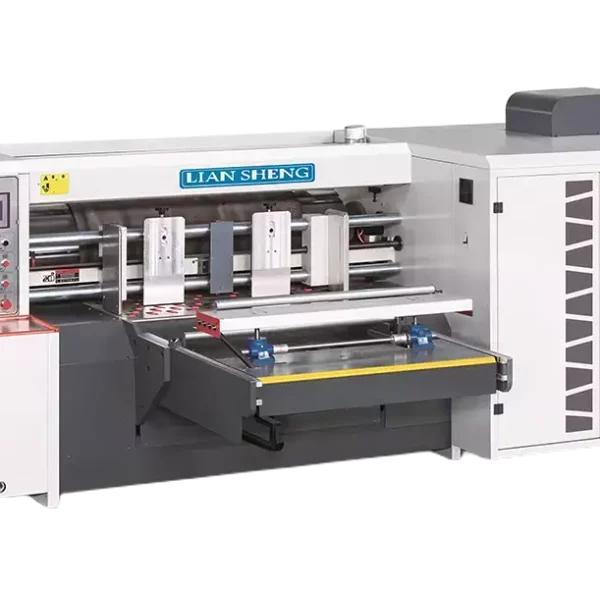
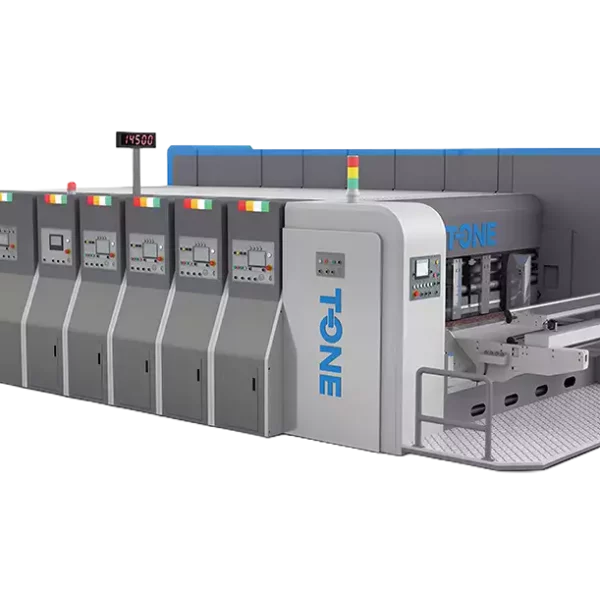
3.3. Advanced Printing Lines
6-color flexo printing, running at 250 sheets per minute
REVO 2500W digital printing for sharp images and vibrant colors
No need for printing plates, reducing costs and material waste
3.4. Circular Production Process
100% reuse of paper scraps
Reduced landfill waste
Optimized ink consumption
4. Why Clean Printing Technology Matters for Businesses
✔ Meets Export Standards Markets like Japan, the EU, and the U.S. have strict requirements for packaging used in food and consumer goods.
✔ Enhances Brand Image Using clean-printed packaging reflects a company’s commitment to sustainability and environmental responsibility.
✔ Long-Term Cost Savings Reduces inventory risks, lowers ink consumption, and minimizes production errors.
✔ Optimizes Operations Cleaner air in factories leads to improved working conditions and higher productivity.
5. The Future Trend of Clean Printing Technology
Over the next 5–10 years, clean printing will become a mandatory standard in:
FMCG
Export packaging
E-commerce
Food and agriculture
Businesses that invest early will gain a clear competitive advantage in the green supply chain.
Quang Minh tự hào phục vụ khách hàng trong và ngoài nước ở nhiều lĩnh vực, với khát vọng vươn vào Top 15 nhà sản xuất bao bì hàng đầu Việt Nam vào năm 2030.
CONTACT INFORMATION
1774 Vo Nguyen Giap St, Phuoc Thang Ward, Ho Chi Minh City